
The fine margins


In great sporting encounters, the dividing line between victory and defeat is a thin one. How do you try to land on the favourable side of the knife’s edge?
We were sat in the team room at our training base after returning from our latest trip. We were debriefing the tournament and having a giggle about pocketing more and more close wins. ‘The heartbreak kids’ we momentarily dubbed ourselves - stripping victory from the hands of the opposition like ripping the ball from a player inches before the try line.
It’s a good feeling when it works out in your favour and devastatingly painful when it doesn’t. There were a couple of quarter final occasions when we got it right…
Dubai quarter final 2016 vs Scotland
In a final play humdinger we were given a lifeline when Scotland failed to herald the final whistle. Despite having a penalty and the opportunity to kick the ball out and end the match, the laws of the game had recently changed meaning you had to tap the ball on your foot before kicking off the field. They made an error which meant we had the ball one last time.
This was a lesson for the leadership. Have you brought your team up to speed on what they need to know? We were told about this law change clearly by our coaches. As a result, certain key leaders on the pitch would have made sure we would’ve tapped the ball before kicking it out.
We were gifted a chance in this game. The key to winning then lay in our ability to trust the process. We knew our attack strategy worked, we just hadn’t implemented it enough times during the game. But we had one more chance to execute it. We moved the ball across the pitch, keeping it alive and away from the opposition, crisp passing, simple things done well. Eventually, their line got narrow and Ruaridh M scored in the corner.
So it wasn’t about changing anything or even someone coming up with a big play. It was about ‘doing your job’ - a phrase we used a lot because it grounded us, placed us in a mindset of confidence that we had the quality in the huddle to achieve the goal.

Paris quarter final 2018 vs Fiji
In a brilliant back and forth encounter with the Olympic champs at the time, it had come down to the wire. It was the end of a long gruelling season and all bodies were clinging on by this point. We were out of the running for the series. Fiji came into this last tournament in the lead overall and should have sewn up the Series title by beating us and progressing through to the semi final in Paris.
So here’s an interesting take - at the death, they had a lot to lose. We had nothing to lose or gain other than the match result. Right? Perhaps not…
When things got close against us, did the Fijian boys start to see a whole season title slipping away? This might have impacted them. I don’t know. What I DO know is that we had more to gain that just the ‘W’ in that match. In that game we pushed ourselves to the edge, we continued to play with endeavour and ambition to a level that pointed to two things:
Clarity on the motivation behind our ambition - we knew what we were playing for, beyond just winning. Otherwise we wouldn’t have given as much as we gave. It was an ambition to push our limits, inspire others, and savour the experience of being out there (and for the winners out there, this is of course maximised if you make it to finals and lift trophies!)
Habitual approach to competition - cognitively we knew the season title was out of reach so why did we continue to play a certain way. Habits. Habits in terms of the style of play, tactics, and interactions with other players, but also the habit of maximising output. We were so used to training to our maximum, continuing to strive, that this became the default. More on this below…
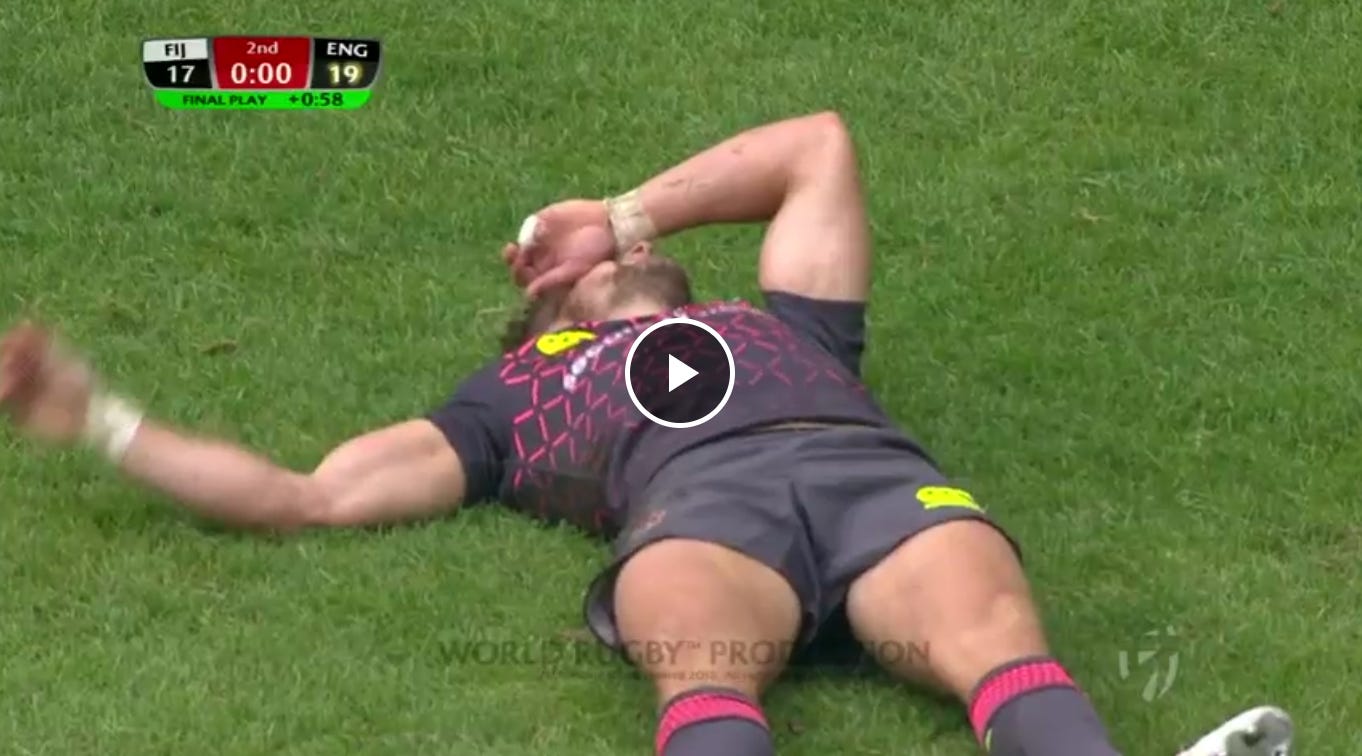
How did we get it right on these occasions?
Was it just lucky? Perhaps it was just our day. Maybe. But how can you lure lady luck to smile on you more often?
The 3 Ps
Prime: this is about setting some psychological foundations for the big moments. As I mentioned, this brings some clarity on the way you want to conduct yourself in the big moments. It might also include bedding in some beliefs about how the outcome of close sporting encounters doesn’t define you as a person. The aim of this priming is to give you some stability in the turbulent emotional environment of the last play scenarios when the scoreboard is in the balance.

Practise: this relates to the habits I mentioned above. Navy Seals say "Under pressure, you don't rise to the occasion, you sink to the level of your training" [Google AI tells me that "We don't rise to the level of our expectations, we fall to the level of our training" is attributed to the Greek philosopher Archilochus]. If you never put yourself in these scenarios in practise, you might not be giving yourself a chance of getting them right when it matters. We used to spend hours simulating last minute match moments; different scoreboards, clocks, opposition, levels of fatigue, personnel. Practising the scenarios gives you a reference point of some sort. It gives you a bedrock of confidence in the thought “I’ve been here before” or at least something similar.
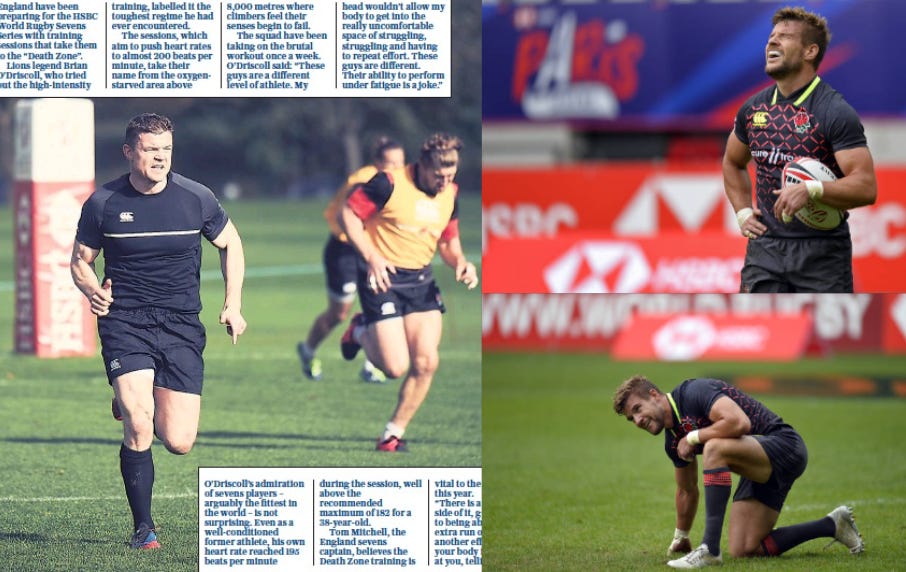
(An article referencing Brian O’Driscoll joining us for these scenarios)
Perform: the culmination of the priming and the practise is setting conditions for the performance to occur in the close moments. This is a mixture of physiological and psychological prep. This also relates to how the team dynamics can shift in those moments when the heat is dialled right up.

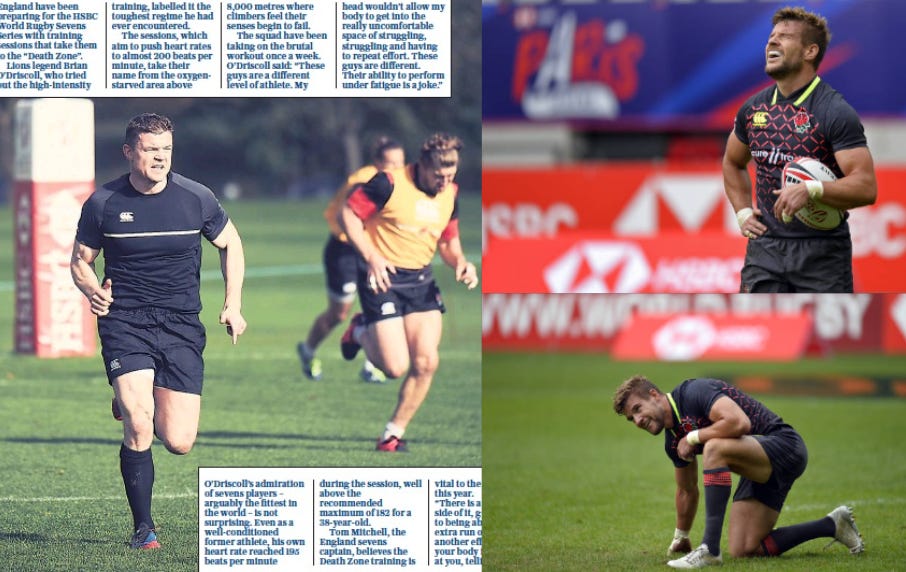
Learning how to handle pressure moments is a great skill. I hope this works for you as it did, on occasion, work for me.